
Stroke is the fifth-leading cause of death and long-term disability in the United States—and one of the most preventable. This May, during National Stroke Awareness Month, Barstow Community Hospital is urging the community to understand stroke risk, recognize the warning signs, and act before a second stroke strikes.
One in four clot-related stroke survivors will have another stroke, according to the American Heart Association. The good news: up to 80% of strokes can be prevented.
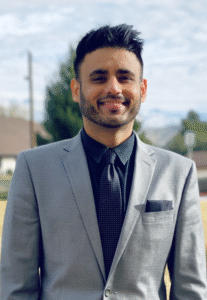
“After a stroke, the conversation about prevention should begin right away,” said Karan P. Singh, MD, MBA, CEO of Seva Medical Group and Barstow Community Hospital Emergency Department physician. “We know the risk factors, and we have the tools to manage them. The most important thing a stroke survivor can do is to stay engaged with their care team and take their prevention plan seriously.”
Understanding Stroke: What Happens in the Brain?
The brain depends on a steady supply of oxygen-rich blood delivered through arteries. When one of those arteries is blocked or bursts, brain cells begin to die within minutes.
The most common type is an ischemic stroke, which occurs when a blood clot blocks an artery in the brain. There are two forms:
- Embolic stroke: A clot forms elsewhere in the body—often the heart—and travels to the brain, blocking blood flow.
- Thrombotic stroke: A clot develops directly inside an artery that supplies the brain.
A stroke on the left side of the brain affects the right side of the body and may cause speech and language difficulties, problems with reading, writing, or math, and challenges with reasoning and analysis. A stroke on the right side of the brain can affect the left side of the body and may result in difficulty with depth perception and spatial orientation, difficulty with creative thinking, and an inability to recognize emotions in others’ voices.
Prevention after a stroke is not one-size-fits-all, but it starts with the same fundamental steps.
Control Blood Pressure
Blood pressure at or above 130/80 mm Hg is considered high. Work with your healthcare provider to bring it down and keep it there. High blood pressure is the single most important controllable risk factor for stroke.
Check for AFib
Atrial fibrillation (AFib) an irregular or quivering heartbeat, can cause blood clots that lead to stroke. Many people don’t know they have it. Ask your primary care provider or cardiologist to check.
Manage Cholesterol and Blood Sugar
Studies suggest an ideal total cholesterol level of around 150 mg/dL, with LDL (unhealthy cholesterol) around 100 mg/dL. If you have diabetes, keeping blood sugar under control is equally critical since diabetes significantly raises stroke risk.
Make Lifestyle Changes
- Quit smoking: Smoking doubles the risk of stroke.
- Limit alcohol: Heavy drinking increases stroke risk.
- Exercise daily: Even a short walk, swim, or yard work makes a difference.
- Clean up your diet: Reduce sodium and saturated and trans fats.
Take Medications as Prescribed
After an ischemic stroke or TIA (transient ischemic attack), most patients are prescribed antiplatelet or anticoagulant therapy to prevent future clots. Do not stop or change these medications without speaking with your doctor first.
Know the Symptoms
F.A.S.T. stands for Face drooping, Arm weakness, Speech difficulty, and Time to call 911. Additional warning signs include:
- Sudden numbness or weakness in the face, arm, or leg—especially on one side of the body
- Sudden confusion or trouble speaking and understanding speech
- Sudden trouble seeing in one or both eyes
- Sudden trouble walking, dizziness, or loss of balance or coordination
- Sudden severe headache with no known caus
When to Seek Emergency Care
Call 911 immediately if you experience signs of a stroke—even if you’re not sure. It is better to get checked right away.
The journey to prevent a second stroke can be tailored to your individual situation. Take the first step toward better health this Stroke Awareness Month by scheduling a visit with your primary care physician. To find a local physician, visit https://providers.barstowhospital.com/.
Sources: American Heart Association
Karan P. Singh, MD, MBA, is the CEO of Seva Medical Group, and Medical Director of Barstow Community Hospital Emergency Department.
Sources: Explaining Stroke